How to Wash Fabric Car Seats Without Soaking Them
To wash fabric car seats, vacuum them thoroughly, test your cleaner on a hidden spot, pre-treat stains, then clean one section at a time with an upholstery cleaner and a soft brush. Blot or extract the dirty moisture with a clean damp cloth or a wet extractor, and let the seats dry completely with the doors or windows open. The most important rule is to keep the cushion from getting soaked. Wet foam dries slowly and can turn musty.
Most fabric seats can be washed this way in an afternoon. Here’s how to do it safely.
Table of Contents
What You’ll Need
- A vacuum with a crevice tool and upholstery brush
- An automotive upholstery cleaner (or a small amount of mild soap in warm water)
- A soft-bristle brush
- Several clean microfiber cloths
- A spray bottle of clean water for rinsing
- Optional: a portable wet extractor or spot cleaner
Before You Start
Check your owner’s manual. Some automakers list cleaners or detergents to avoid because they can discolor interior fabric. Toyota’s interior care guide points owners to the manual for this.
Be careful around seat electronics. Many seats contain side airbags, seat heaters, occupant sensors, or wiring. Keep liquid use light, never pour water onto a seat, and avoid saturating seams and the sides of the seat where airbags are often located. Check your manual for seat-specific cleaning instructions.
Pick a dry day. Seats dry faster with warm, dry air and good ventilation.
How to Wash Fabric Car Seats, Step by Step
1. Vacuum thoroughly
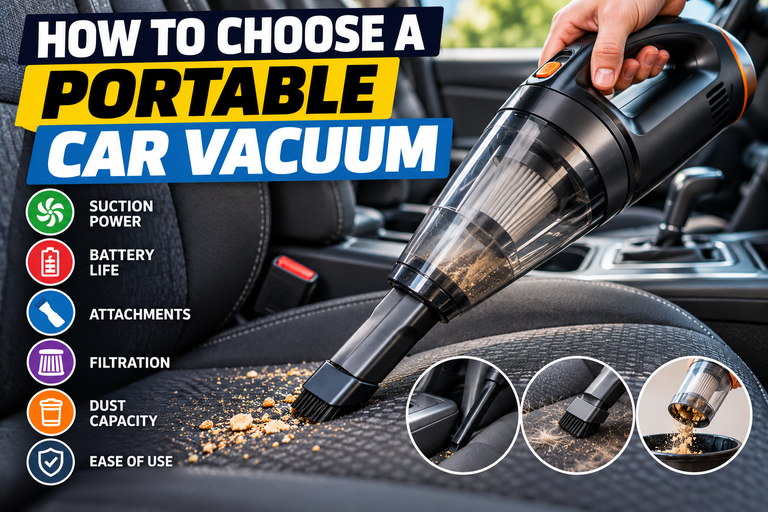
Vacuum the seats using the crevice tool along seams and between cushions and an upholstery brush on the flat areas. Loose grit turns into mud once it gets wet, so this step makes a big difference. A handheld vacuum makes this easier. See our picks for the best handheld vacuum for car.
2. Test the cleaner on a hidden spot
Apply a little cleaner to an area you can’t easily see, such as the lower back of a seat. Let it dry and check for color change or water rings before cleaning the whole seat.
3. Pre-treat stains
Apply upholstery cleaner to stains according to the product instructions and give it time to work. Blot, don’t rub. Rubbing can spread the stain and fuzz the fabric.
4. Clean one section at a time
Lightly mist the cleaner on a small section, such as the seat bolster or one half of the cushion. Work it in with a soft brush using gentle circular motions, as Toyota’s guide suggests. Small sections stop the cleaner from drying before you remove it.
5. Remove the dirty moisture
Blot the area with a clean, damp microfiber cloth to lift the cleaner and dirt, then blot again with a dry cloth. Repeat until the cloth comes away clean. If you have a portable wet extractor, use it here. It sprays clean water and then sucks up the dirty water, removing more residue with less moisture left behind.
Affiliate disclosure: As an Amazon Associate I earn from qualifying purchases.

- AMERICA'S #1 BRAND IN PORTABLE DEEP CLEANING: Trusted by over 7 million households.
- TAKE THE STRESS OUT OF MESS: Scientifically proven to lift and remove 100+ common messes and stains.
- ULTRA-POWERFUL TRIPLE ACTION FORMULA: Permanently removes stains and powerfully eliminates odors for “like new” results.
- LARGE 48OZ. CLEAN WATER TANK: Clean more, uninterrupted, with large capacity clean water tank.
- EASY STAIN REMOVAL: Just spray, scrub & suction.

6. Let the seats dry fully
Leave the doors or windows open in a ventilated area. Consumer Reports recommends leaving the windows open for a day or longer if possible to let moisture dry thoroughly, and warns against soaking seats because damp cushions can foster mold. Don’t sit on the seats or cover them until they’re completely dry.
7. Vacuum once more
When the seats are dry, a final pass with the upholstery brush lifts the fibers and picks up any loosened residue.
How to Treat Common Seat Stains
| Stain | Approach |
|---|---|
| Coffee or soda | Blot up as much as possible, then use upholstery cleaner and blot out with a damp cloth |
| Food grease | Upholstery cleaner made for grease; work gently and blot repeatedly |
| Mud | Let it dry completely, brush and vacuum off the dried dirt, then treat any remaining mark |
| Milk or vomit | Clean promptly with an enzyme-based cleaner, then blot and dry thoroughly to prevent odor |
| Ink | Test a small amount of isopropyl alcohol on a hidden spot first; blot, don’t rub |
If a stain doesn’t come out after two tries, stop. Repeated scrubbing can damage the fabric, and a professional detailer may have better tools.
Mistakes to Avoid
- Soaking the seat. Too much liquid soaks into the foam and can cause mildew odors.
- Using bleach or hydrogen peroxide. Both can discolor fabric. Consumer Reports advises against them.
- Scrubbing hard. Aggressive brushing can pill or fuzz upholstery.
- Skipping the rinse step. Leftover soap attracts dirt and can leave the fabric stiff.
- Closing the car up while seats are damp. Trapped moisture is the main cause of musty smells after cleaning.
If a smell lingers after washing, our guide on how to remove odor from a car explains how to find and fix the source.
How Often to Wash Fabric Seats
Vacuum seats every week or two, spot-clean spills right away, and do a full wash a few times a year, or more often if you have kids or pets. Seat covers can help if your seats see heavy use.
Frequently Asked Questions
Can I use dish soap to clean fabric car seats?
A small amount of mild dish soap in warm water can work for light dirt. Use very little, test a hidden spot first, and blot the residue out thoroughly with clean water so soap doesn’t stay in the fabric.
How long do fabric car seats take to dry?
It depends on how much moisture was used, the weather, and ventilation. Light cleaning may dry in a few hours, but give heavily cleaned seats a day with the windows open if you can.
Can I use a steam cleaner on car seats?
Consumer Reports notes that a steam cleaner can lift stains from carpet and upholstery. Follow the steamer’s instructions, avoid oversaturating, and be cautious near seat electronics and airbags.
Is it safe to wash seats with heated seat elements?
Use light moisture and avoid saturating the seat. Check your owner’s manual for specific guidance on seats with heaters or sensors.
The Takeaway
Washing fabric car seats is mostly about controlling moisture. Vacuum first, clean small sections with a gentle cleaner, extract the dirty water, and give the seats plenty of time to dry. Do that, and you’ll get clean seats without the musty smell that comes from over-wetting.
For the rest of the cabin, see how to clean car interiors.