What to Clean a Car Dashboard With (and What to Avoid)
Clean your car dashboard with a microfiber cloth lightly dampened with water or a mild, interior-safe cleaner. For stubborn grime, a cloth with a little isopropyl alcohol works on most hard plastic. Use a soft brush for vents and seams, and dry the surface afterward. Avoid paper towels, ammonia-based cleaners, bleach, and glossy sprays that leave the dash looking wet, since that shine can reflect onto the windshield.
Dashboards today mix several materials in a small space: hard plastic, soft-touch vinyl, leather or faux-leather trim, gloss-black panels, a gauge cluster, and often a large touchscreen. Each one needs slightly different care, so it helps to know what you’re wiping before you start.
Table of Contents
The Best Things to Clean a Dashboard With
| Item | Use it for | Notes |
|---|---|---|
| Microfiber cloths | Every dashboard surface | Leaves less lint than paper towels and won’t scratch |
| Water or mild interior cleaner | Routine dust and fingerprints | Spray the cloth, not the dash |
| Isopropyl alcohol on a cloth | Grime on hard plastic, screens | Test a hidden spot first |
| Soft brush or soft toothbrush | Vents, seams, around buttons | Slightly damp, not wet |
| Interior protectant (matte or low-sheen) | Optional UV protection on vinyl and plastic | Choose a non-glossy finish |
| Screen-safe cleaner | Touchscreens and gauge clusters | Ammonia-free |
Consumer Reports recommends cleaning vents, seams, and cup holders with a dampened soft brush, then applying alcohol to a microfiber cloth for other hard surfaces. Toyota’s guide suggests wiping the dashboard with a microfiber cloth dampened with water or a mild all-purpose cleaner.
How to Clean a Car Dashboard Step by Step
- Park in the shade. A hot dashboard makes cleaners evaporate too fast and leave streaks.
- Dust first. Wipe loose dust off with a dry microfiber cloth, working from the top of the dash toward the floor.
- Brush the vents and seams. Use a soft, slightly damp brush to lift dust from vent slats, the edges of trim panels, and around buttons and knobs.
- Wipe with a damp cloth. Lightly mist a clean microfiber cloth with water or interior cleaner and wipe the dash in sections. Spray the cloth, never the dashboard, so liquid doesn’t seep into switches, speakers, or the defroster vents.
- Tackle sticky spots. For grime that won’t lift, put a little isopropyl alcohol on a cloth and wipe gently. Test on a hidden area first.
- Clean the screen and gauges separately. Turn the screen off, then wipe gently with a clean microfiber cloth lightly dampened with a screen-safe cleaner or isopropyl alcohol.
- Dry everything. Finish with a dry microfiber cloth to remove moisture and prevent water spots.
- Protect it, if you want. Apply a matte or low-sheen interior protectant to vinyl and plastic if the product is safe for your materials.
How to Clean Different Dashboard Materials
Hard plastic
The easiest surface to clean. Water or a mild cleaner on a microfiber cloth handles most dirt, and a little isopropyl alcohol helps with sticky residue. Avoid abrasive pads, which can leave dull patches.
Soft-touch vinyl and textured surfaces
The texture traps dust. Use a soft brush to lift it, then wipe with a lightly dampened cloth. Avoid heavy, greasy dressings that can build up in the grain and attract more dust.
Leather or faux-leather dash trim
Treat it like leather seats. Use a small amount of mild soap and water or a leather cleaner on a soft cloth. Consumer Reports advises against products containing bleach or hydrogen peroxide on leather and vinyl.
Gloss-black (piano black) trim
This finish scratches easily. Use only a clean, soft microfiber cloth with light pressure. Shake the cloth out first so trapped grit doesn’t scratch the surface.
Touchscreens and digital gauge clusters
Screens have coatings that household glass cleaners can damage. Consumer Reports warns that ammonia-based glass cleaners can harm anti-glare and anti-fingerprint coatings. Use a microfiber cloth with a screen-safe cleaner or isopropyl alcohol, and never spray directly onto the screen.
What Not to Use on Your Dashboard
- Paper towels: they leave lint and can scratch glossy trim.
- Ammonia-based glass cleaner: risky on screens and coated surfaces.
- Bleach and hydrogen peroxide: can discolor interior materials.
- Glossy, wet-look dressings: can create glare on the windshield, which Consumer Reports specifically warns about.
- Magic erasers and abrasive pads: can dull or scuff textured and soft-touch surfaces.
- Too much liquid: water that runs into vents, switches, or speaker grilles can cause problems that are hard to fix.
Your owner’s manual may list other products to avoid for your vehicle’s materials. Check it before trying a new cleaner.
How Often to Clean Your Dashboard
A quick dry dusting every week or two prevents buildup. A full wipe-down with cleaner once a month is plenty for most cars. Clean the steering wheel and touchscreen more often, since they’re among the most frequently touched surfaces in the cabin.
If you’re cleaning the whole cabin, our step-by-step guide to cleaning car interiors covers the right order to work in, and our guide to what you can use to clean inside your car lists safe products for every surface.
A Vacuum Helps Too
Dust on the dashboard often comes from the vents and the rest of the cabin. Vacuuming the seats and carpet, and running a soft brush attachment across the vents, keeps the dash cleaner for longer.
Affiliate disclosure: As an Amazon Associate I earn from qualifying purchases.
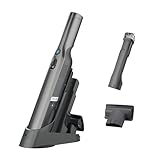
- POWERFUL CORDLESS SUCTION: High-speed, brushless motor delivers unbelievable suction power.
- ULTRA-LIGHTWEIGHT: At just 1.4 lbs., the hand vacuum is designed for maneuverability and easy cleaning.
- INCLUDES TOOLS FOR PET HAIR AND TIGHT SPACES: Use the Multi-Surface Pet Tool for upholstery, carpets, and pet hair. Zero in on tight spaces and car cleaning with the Duster Crevice Tool.
- ALWAYS CHARGING: Sleek charging dock designed for quick access and fast charging.
- ONE-TOUCH EMPTY: Empty debris with the single touch of a button—no getting your hands dirty.

For more options, see our picks for the best cordless car vacuum.
Frequently Asked Questions
Can I use Armor All on my dashboard?
Many interior protectants are designed for vinyl and plastic, but some leave a glossy finish that can cause windshield glare. Choose a matte or low-sheen version, check that it’s safe for your materials, and keep it off screens.
Is it safe to use baby wipes on a car dashboard?
Unscented wipes can remove light dust from hard plastic, but some leave residue. Follow up with a damp microfiber cloth, and don’t use them on screens or gloss-black trim.
How do I get dust out of dashboard vents?
Use a soft detailing brush or a slightly damp soft toothbrush to lift dust from the slats, then vacuum with a brush attachment.
What’s the best way to remove sticky residue from a dashboard?
Put a small amount of isopropyl alcohol on a microfiber cloth and wipe gently. Test a hidden spot first, since some coatings react to solvents.
The Takeaway
For most dashboards, a microfiber cloth, a bit of water or mild interior cleaner, and a soft brush are all you need. Save isopropyl alcohol for stubborn grime and screens, keep glossy dressings and ammonia away from the dash, and always spray the cloth, not the surface.