How Do Air Purifiers Work? Filters, Carbon and the Tech to Avoid
JupiterVehicles is reader-supported. As an Amazon Associate, we earn from qualifying purchases.
Most air purifiers work the same way: a fan pulls room air through one or more filters and pushes cleaner air back out. The filters do the work, trapping particles and absorbing some odors. Here’s what happens inside and which technologies are worth paying for.
Table of Contents
The Basic Process
- Intake: a fan draws air into the unit.
- Pre-filter: a coarse mesh catches hair and large dust.
- HEPA filter: a dense mat of fibers traps fine particles like pollen, dander and smoke.
- Activated carbon filter: porous carbon absorbs some odors and gases.
- Output: cleaner air flows back into the room or car.
The more times per hour the purifier can cycle the air in a space, the cleaner the air gets.
HEPA Filters
HEPA (high-efficiency particulate air) filters capture particles as air passes through a maze of fine fibers. Particles stick to fibers by impact, interception and diffusion. That’s why HEPA is the core of most effective purifiers. Labels like “H13” refer to stricter HEPA grades used in some models.
Activated Carbon
Carbon is treated to create a huge internal surface area. Odor and gas molecules stick to that surface (adsorption). Carbon filters fill up over time and need replacing to keep working.
CADR: The Number That Matters
The EPA’s ozone generators page points readers to AHAM’s Clean Air Delivery Rate (CADR), which rates how much filtered air a purifier delivers for smoke, dust and pollen. A higher CADR cleans a room faster. Match CADR to your room size.
Other Technologies
| Technology | How it works | Notes |
|---|---|---|
| Ionizer | Charges particles so they stick to surfaces or each other | The EPA notes ionizers were found less effective than high-efficiency filters in some experiments |
| UV-C light | Exposes air to ultraviolet light | Effectiveness depends on exposure time inside the unit |
| Ozone generator | Intentionally produces ozone | The EPA warns ozone can damage the lungs and is generally ineffective at safe levels |
| Electrostatic precipitator | Charged plates collect particles | Can produce ozone as a by-product, depending on design |
How Car Air Purifiers Differ
Car purifiers use the same filters in a smaller body and often run on USB or 12V. In a car, your cabin air filter does much of the work, so check it first. See the best air purifier for car options and what an air purifier is good for.
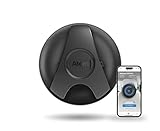
- #1 CAR/TRAVEL AIR PURIFIER: The Atem Car by IQAir is the ideal travel air purifier. The Atem air cleaner blankets you and your car’s interior in perfectly pure air that is filtered down to 0.003 microns with our ozone-free HyperHEPA air filtration. The Atem Car also has Bluetooth capabilities. Get the best from your travel bladeless air purifier with IQAir.
- CLEAN AIR ON THE ROAD: IQAir’s air cleaner fans get rid of odors, gases, pollution, mold, pollen, dust, smoke, NO2, SO2, allergens, pet dander, asthma triggers, and even ultra-fine biocontaminants from the air in your car's cabin and creates a zone of filtered air around you.
- THE HYPERHEPA DIFFERENCE: IQAir’s exclusive HyperHEPA air filter technology removes 99% of contaminants from your air and filters particles up to 100x smaller (0.003 microns) than traditional air filtration systems.
- COMPLETE AIR CONTROL: With a simple mount, this air purifier system easily attaches to most headrests in cars, trucks, SUVs, vans, or any vehicle you need clean air in. The compact size and quiet operation give you the best ozone-free purification possible.
- YOUR AIR, SMARTER: IQAir exists to create safe living and working environments with innovative air purifiers that give you the cleanest air possible. Experience air filtration done better. These orders will require a signature upon delivery. EPA Est. No.: 97566-DEU-1; CARB EO No.: G-18-064.
Frequently Asked Questions
Do air purifiers remove viruses?
HEPA filters can capture particles in the air that passes through them. The [EPA notes](${EPAAC}) that purifiers supplement source control and ventilation rather than replace them.
How long do air purifier filters last?
It varies by model and use. Follow the maker’s replacement schedule.
Do air purifiers use a lot of electricity?
Most use modest power, especially on lower fan speeds.
What’s the difference between HEPA and carbon filters?
HEPA traps particles. Carbon absorbs some odors and gases. Many purifiers use both.
The Bottom Line
Air purifiers work by pulling air through filters: HEPA for particles and activated carbon for some odors. Look for a strong CADR for your space, replace filters on schedule, and avoid devices that generate ozone.