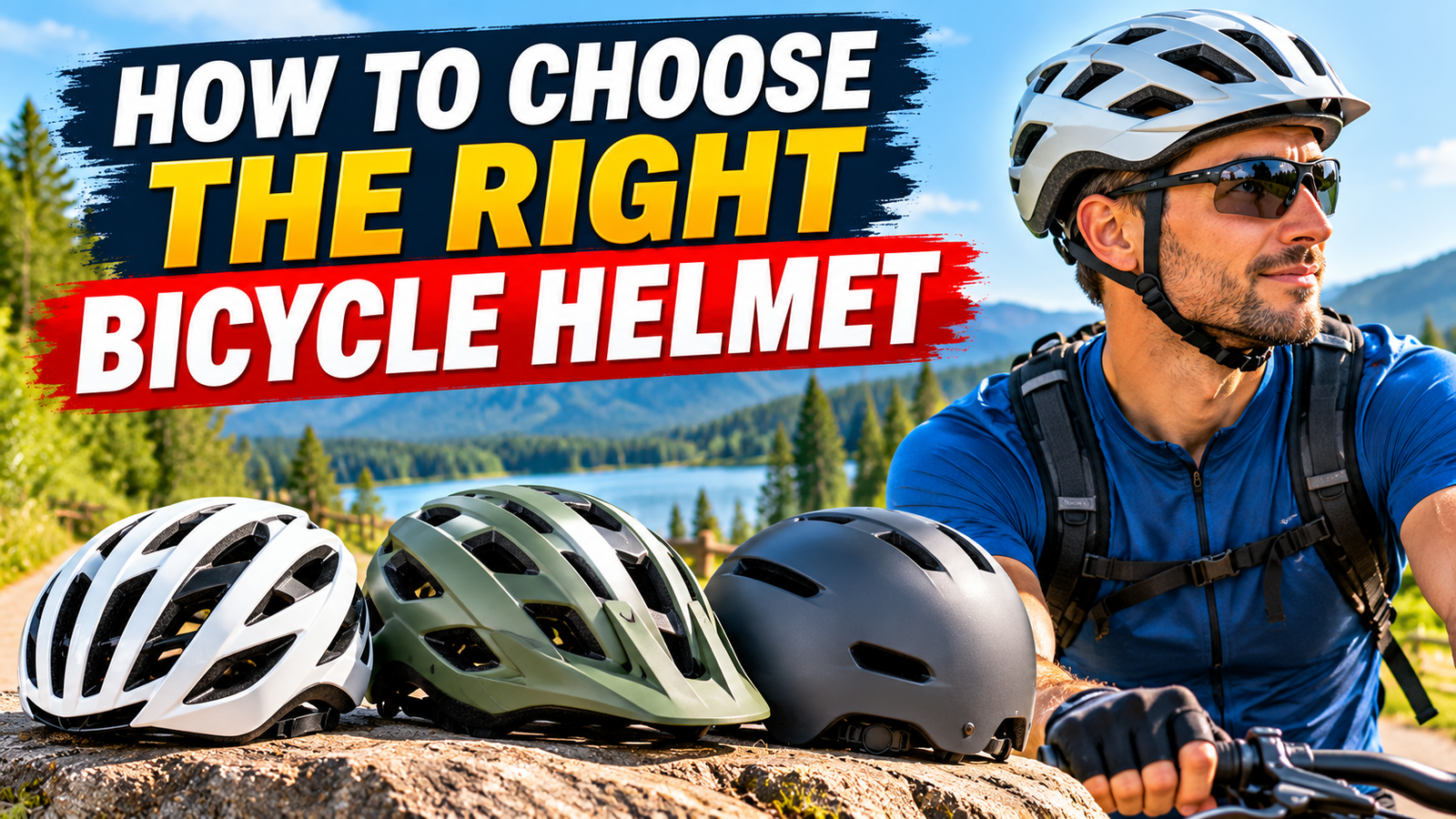
How to Choose the Right Bicycle Helmet: A Complete Guide
Choosing the right bicycle helmet involves more than picking a color or finding an affordable price. A good helmet should meet applicable safety standards, fit your head correctly, stay securely in place, and suit the type of cycling you do. Whether you ride to work, explore local trails, or enjoy weekend road rides, these factors help you make a more informed decision.
For cyclists in the United States, start by looking for a helmet that meets the U.S. Consumer Product Safety Commission (CPSC) bicycle helmet safety standard. Next, choose the correct size, adjust the straps, and confirm that the helmet remains stable without blocking your vision. Comfort, ventilation, weight, and riding style can then help you narrow your options.
Table of Contents
1. Check the Bicycle Helmet Safety Certification
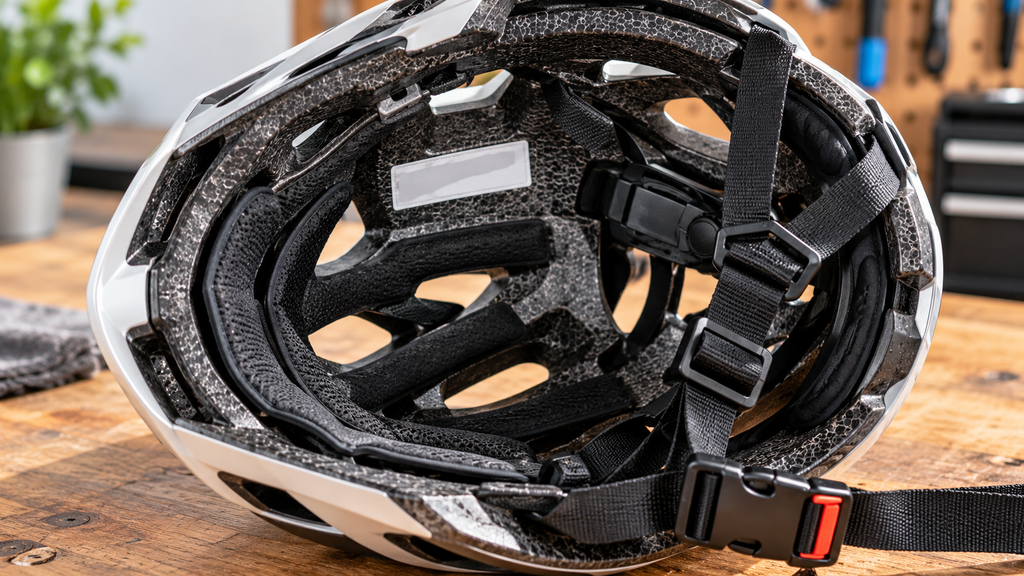
Safety certification should be your first consideration when shopping for a bicycle helmet. In the United States, bicycle helmets must comply with the applicable federal CPSC safety standard, found in 16 CFR Part 1203.
Look for a label or documentation indicating that the helmet complies with the U.S. CPSC bicycle helmet standard. Check the product packaging, the information supplied with the helmet, and the manufacturer’s documentation before purchasing.
The federal standard addresses important performance requirements, including impact protection, retention-system strength, positional stability, and peripheral vision. These requirements help establish a baseline for bicycle helmet safety.
Do not assume that a helmet is suitable for cycling simply because it looks protective or is advertised for another sport. A skateboard, snow-sport, or other recreational helmet should not automatically be treated as a bicycle helmet. Confirm that the specific model is intended for bicycle use and meets the applicable standard.
Certification is an important starting point, but it does not make a helmet invulnerable. No bicycle helmet can prevent every possible head injury.
2. Choose the Correct Helmet Size
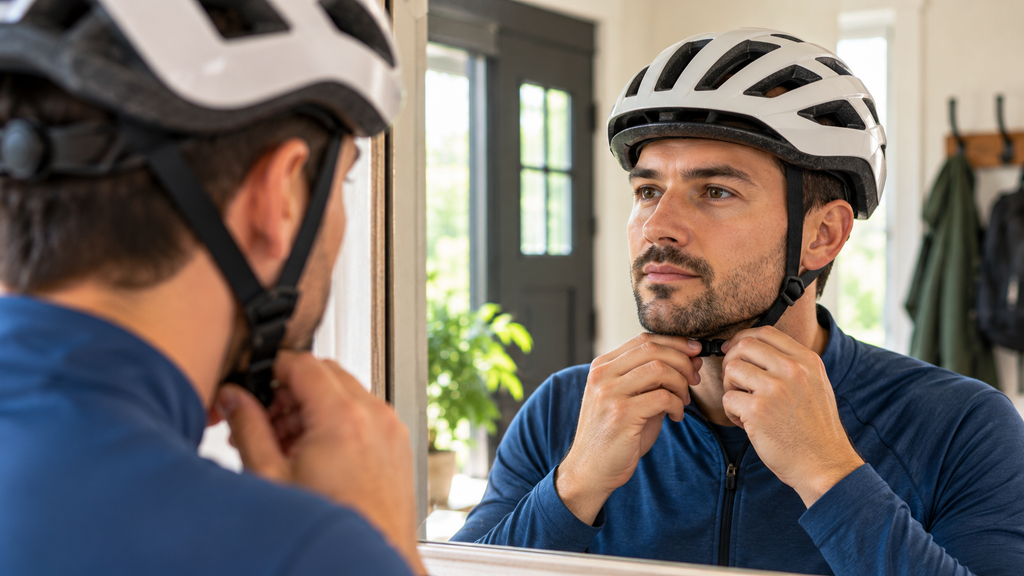
A helmet cannot provide its intended protection if it is too loose, too tight, or shaped poorly for your head. Manufacturers may use different sizing systems, so do not rely on a small, medium, or large label alone.
Measure Your Head Before Shopping
- Use a flexible measuring tape.
- Wrap it around your head just above your eyebrows and around the widest part of the back of your head.
- Keep the tape level rather than allowing it to slope upward at the back.
- Record the measurement and compare it with the sizing chart for the exact helmet model.
If your measurement falls between sizes, follow the manufacturer’s fitting instructions and try both sizes when possible. Head shape also matters: two helmets with the same stated size may feel noticeably different.
Check the Fit Before Buying
Place the helmet on your head and fasten its retention system. It should feel comfortably snug, sit level, cover the appropriate area of your head, and remain stable when you move your head. It should not create painful pressure points or interfere with your vision.
Do not buy a helmet that is too large with the intention of growing into it. Choose a helmet that fits the intended rider now.
3. Adjust the Helmet Correctly
Correct adjustment is just as important as choosing the right size. Follow the helmet manufacturer’s instructions, then use these basic checks adapted from National Highway Traffic Safety Administration (NHTSA) guidance.
Position the Helmet Level
Place the helmet straight on your head, low enough on your forehead to provide appropriate coverage. NHTSA’s guidance uses approximately one or two finger-widths above the eyebrows as a visual reference. The helmet should not tilt far backward and leave your forehead exposed.
Adjust the Side Straps
Position the strap splitters so the straps form a V shape around each ear, with the meeting point below and slightly in front of the ear. Check both sides for a balanced fit.
Fasten and Adjust the Chin Strap
Buckle the chin strap and remove excessive slack. NHTSA’s fitting guidance uses the two-finger rule as a practical reference: you should be able to fit approximately two fingers between the fastened strap and your chin.
Test for Movement
Gently move the helmet forward, backward, and from side to side. It should remain stable rather than sliding freely across your head. If it shifts substantially, readjust the retention system or try a different size or model.
A helmet that feels secure without causing discomfort is more likely to be worn consistently. Recheck the fit periodically, particularly after changing the pads or making adjustments.
4. Select a Helmet for Your Riding Style

Bicycle helmets come in several designs. The most suitable option depends on where you ride, how you ride, and which features you find useful. Regardless of style, confirm that the particular helmet is intended for bicycling and meets the applicable safety requirements.
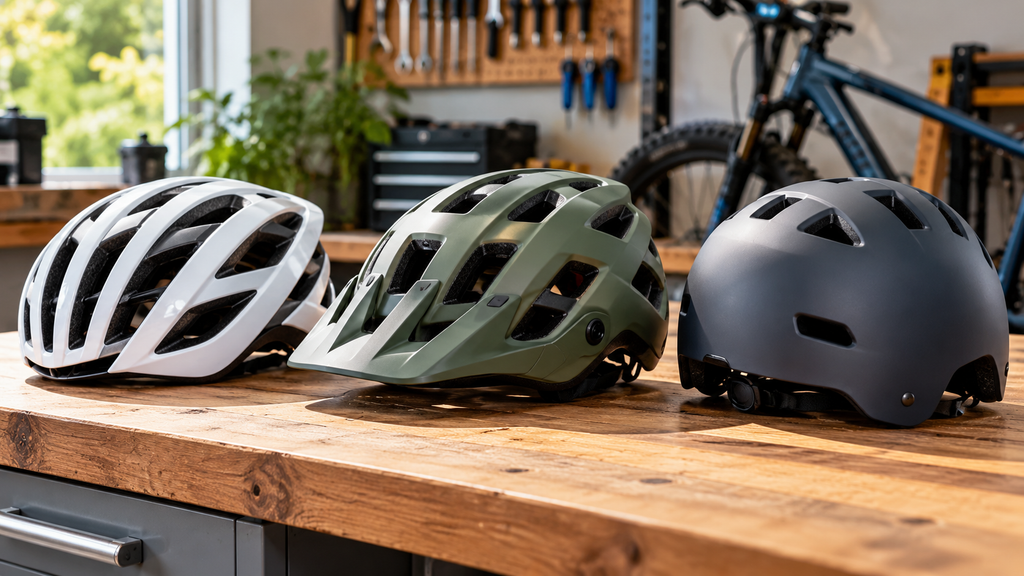
Road Cycling Helmets
Road cycling helmets often emphasize low weight, ventilation, and an aerodynamic shape. These characteristics may appeal to riders who spend long periods on paved roads or participate in recreational group rides. Vent placement and overall comfort are worth checking before you buy.
Mountain Biking Helmets
Mountain biking helmets commonly offer coverage and design features suited to off-road riding. Some have extended rear coverage, visors, or other features intended for trail use. Riders should choose a model specifically designed for their intended type of mountain biking.
Full-face mountain biking helmets are a separate option for certain demanding riding conditions. Check the helmet’s intended use and fit rather than assuming every mountain bike helmet offers the same coverage.
Commuter and Urban Cycling Helmets
Commuter helmets may prioritize everyday comfort, convenient adjustment, and visibility. Some models include integrated lights, reflective details, or removable visors. These extras can be useful, but they do not replace proper fit or safety certification.
Recreational and Hybrid Cycling Helmets
For casual rides, paved paths, and mixed recreational use, a general-purpose bicycle helmet may be appropriate. Look for a secure fit, adequate ventilation, comfortable padding, and a shape that works with your normal riding position.
Do not choose a helmet based on appearance alone. A stylish model that moves around or creates pressure points is a poor choice for your needs.
5. Compare Ventilation, Comfort, and Weight
Once you have confirmed certification and fit, compare the features that affect day-to-day use.
Ventilation
Vents allow air to circulate through the helmet. Riders in warm weather may appreciate a design that provides good airflow, while those cycling in cooler conditions may place greater emphasis on other features. The number of vents alone does not establish how comfortable a helmet will feel.
Weight
A lighter helmet may feel more comfortable on longer rides, but weight should not outweigh safety, fit, or intended use. Compare manufacturer-listed weights for the relevant size if the information is available, and remember that accessories can affect the total weight.
Padding and Adjustment
Comfortable padding and an effective retention system can help the helmet remain stable. Check whether the padding is replaceable and whether the adjustment mechanism is easy to operate. Avoid modifying the helmet with unapproved padding or alterations that could compromise its fit or construction.
Visibility Features
Bright colors, reflective details, and integrated lights may help other road users notice you. However, a helmet is only one part of a visibility strategy. Use appropriate bicycle lights and reflective equipment when conditions call for them, and follow local traffic requirements.
6. Understand Optional Helmet Technologies
Some helmets include additional features or technologies intended to address particular aspects of impact protection. These may be relevant when comparing models, but their presence should not replace the basic checks for certification, fit, condition, and intended use.
If a helmet advertises a proprietary impact-management system, review the manufacturer’s explanation of how it works and which model includes it. Avoid assuming that a marketing term guarantees superior real-world protection in every crash scenario.
Likewise, integrated electronics, cameras, lights, or accessories should be used only as permitted by the helmet manufacturer. Do not drill holes, remove structural components, or attach unapproved hardware that could affect the helmet’s integrity.
7. Inspect the Helmet and Know When to Replace It
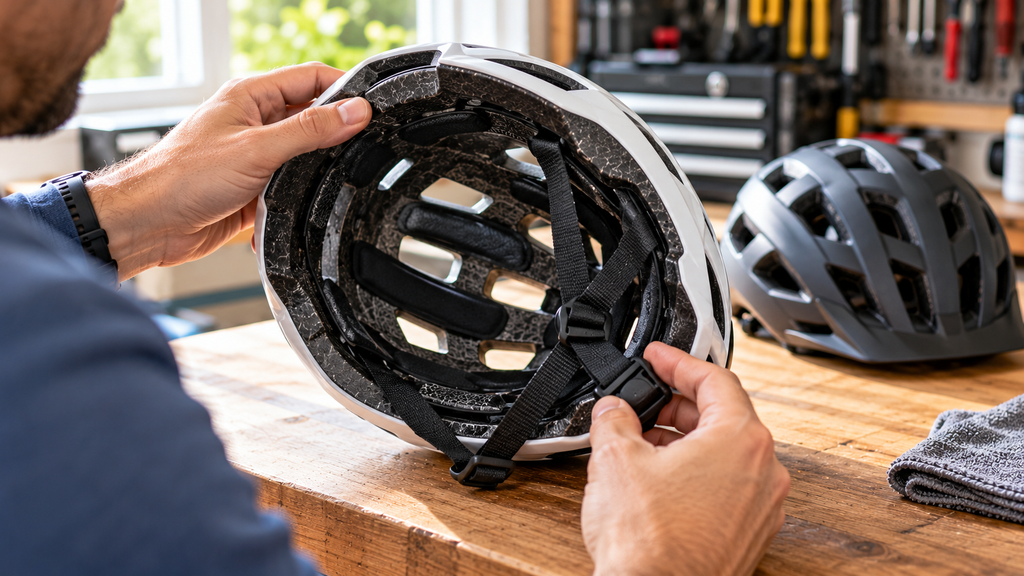
Before purchasing a helmet, inspect its outer shell, interior liner, straps, buckles, and adjustment system. Avoid a helmet with visible cracks, crushed areas, damaged straps, broken buckles, or other signs of deterioration.
If you already own a helmet, replace it after a crash or significant impact when it may have been damaged. The damage can be difficult or impossible to see from the outside. Follow the manufacturer’s replacement instructions and do not continue using a helmet that has sustained a damaging impact.
Age alone does not provide a universal replacement interval for every helmet. Follow the specific manufacturer’s guidance about service life, storage, inspection, and replacement. Replace a helmet sooner if its condition is questionable or its fit can no longer be adjusted securely.
Store the helmet away from conditions or chemicals that the manufacturer identifies as potentially damaging. Do not use solvents, paints, adhesives, or cleaning products unless they are approved for that helmet.
8. Avoid These Common Bicycle Helmet Buying Mistakes
Choosing by Price Alone
An expensive helmet is not automatically the right helmet for every rider. Compare certification, fit, condition, and intended use before considering cost.
Buying the Wrong Size
A helmet that is too loose may move out of position. Use the model-specific sizing chart and test the retention system before buying.
Wearing the Helmet Too Far Back
A helmet tilted too far backward may leave the forehead inadequately covered. Position it level and follow the manufacturer’s fitting instructions.
Ignoring the Chin Strap
A correctly sized helmet still needs to be fastened and adjusted properly. An unfastened or excessively loose chin strap can compromise stability.
Assuming All Sports Helmets Are Interchangeable
Helmets designed for different sports may have different construction and performance requirements. Choose a model specifically suitable for bicycle riding and verify its applicable safety compliance.
Continuing to Use a Crash-Damaged Helmet
Impact damage may not be obvious. Replace a helmet after a damaging impact rather than relying only on its outward appearance.
Assuming Extra Features Guarantee Extra Protection
Features such as advanced adjustment systems, integrated lights, or proprietary impact-management technologies may be useful, but they do not replace certification, proper fit, and appropriate use.
9. A Practical Bicycle Helmet Buying Checklist
Before making your final decision, confirm each of the following:
- The helmet is intended for bicycle use.
- It meets the applicable U.S. CPSC bicycle helmet safety standard.
- The size matches your measured head circumference and head shape.
- The helmet sits level and provides appropriate coverage.
- The side straps form a V around each ear.
- The chin strap fastens securely and can be adjusted correctly.
- The helmet stays stable without causing painful pressure.
- The ventilation, weight, and features suit your usual riding conditions.
- The shell, liner, straps, and buckles are in good condition.
- The manufacturer’s instructions and replacement guidance are available.
If a helmet fails any essential fit or condition check, consider another model instead of trying to compensate with improper adjustments.
Frequently Asked Questions
How Do I Know What Size Bicycle Helmet I Need?
Measure the circumference of your head with a flexible measuring tape and compare the result with the manufacturer’s size chart for the exact helmet. Try the helmet on and check that it fits snugly without painful pressure or excessive movement.
How Should a Bicycle Helmet Fit?
A bicycle helmet should sit level on your head, cover your forehead appropriately, and remain stable when fastened. Adjust the side straps into a V around your ears and tighten the chin strap according to the manufacturer’s instructions.
Are Expensive Bicycle Helmets Safer?
Price alone does not establish safety. A helmet that meets the applicable safety standard and fits correctly is a better starting point than one chosen solely for its price or premium features. More expensive models may offer differences in weight, ventilation, materials, or additional technologies, but compare the specific evidence and specifications.
Can I Use a Mountain Bike Helmet for Road Cycling?
It depends on the particular helmet and its intended use. Some mountain biking helmets may be suitable for different forms of cycling, but you should confirm the manufacturer’s intended-use guidance, fit, and applicable safety compliance rather than relying on the helmet’s appearance.
When Should I Replace My Bicycle Helmet?
Replace a helmet after a crash or significant impact that may have damaged it. Also replace it if it has structural damage, damaged straps or buckles, or cannot be adjusted to fit securely. Follow the manufacturer’s guidance for its service life and care.
Does a Bicycle Helmet Need to Have a Light?
No single helmet-light configuration is appropriate for every rider. A light or reflective feature may improve visibility, but it does not replace required bicycle lighting or other visibility precautions. Follow applicable local rules and the instructions for any integrated or attached equipment.
Conclusion
Knowing how to choose the right bicycle helmet makes it easier to compare options without getting distracted by appearance or marketing claims. Start with a model intended for bicycle use that meets the applicable CPSC safety standard. Then confirm the size, adjust the straps, test stability, and compare comfort and features for your riding style.
The best choice is a helmet that fits you correctly, is in good condition, and is comfortable enough to wear consistently. Inspect it regularly, follow the manufacturer’s instructions, and replace it when it has sustained a damaging impact.